









Tutt Bryant Hire
Source checked
National plant and equipment hire provider with branches supporting construction, infrastructure, resources and industry.
NSW, NT, QLD, TAS, VIC, WAView company
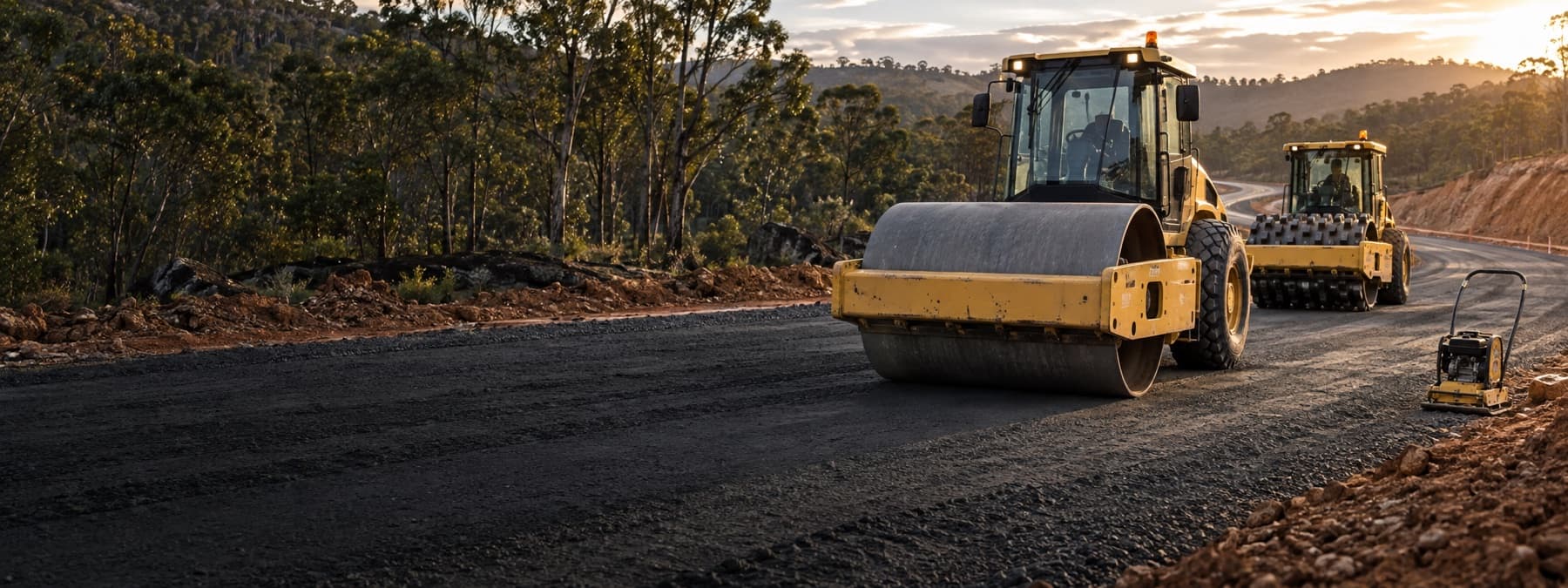
Build every layer on a firmer foundation.
Find rollers, rammers and plate compactors matched to road bases, trenches, building pads and reinstatement work.
Providers with strong profile completeness, relevant fleet categories and documented service coverage. Placement is not a paid ranking.
National plant and equipment hire provider with branches supporting construction, infrastructure, resources and industry.
Specialist dry-hire supplier of earthmoving, compaction, attachments and traffic equipment across eastern Australia.
Plant and equipment hire provider supporting civil, construction and mining projects with wet and dry hire solutions.
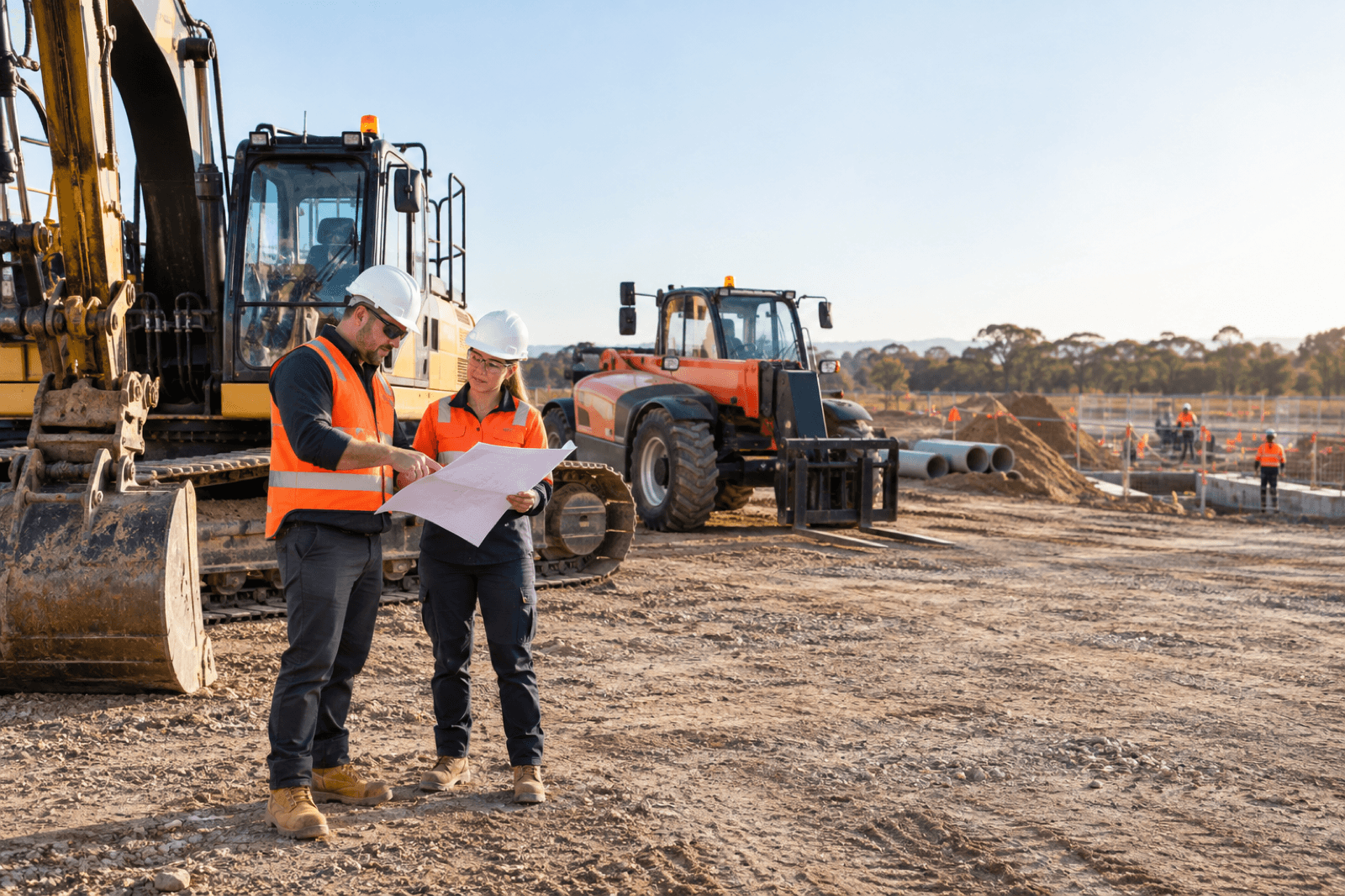
Compaction Equipment Hire connects project teams with Australian suppliers that provide smooth-drum and padfoot rollers, trench rollers, rammers and plate compactors. The right hire partner is more than the nearest depot: availability, machine condition, technical support and a realistic delivery window can all affect the programme. iHirePlant brings those details into one browsable directory so contractors can compare relevant providers, understand where they operate and move from early research to a direct hire enquiry without sorting through unrelated businesses.
This category is commonly used for road bases, building pads, trenches, pavements, landscaping and reinstatement work. Before requesting a quote, define the work outcome, expected production, site constraints and preferred hire arrangement. Providers may offer dry hire, wet hire with an operator, short-term coverage or longer project packages. A clear scope helps a supplier recommend a suitable machine and identify attachments, mobilisation, inductions or support equipment that should be included from the start.
Important comparison points include drum width, operating mass, vibration settings, centrifugal force and suitability for cohesive or granular material. A larger machine is not automatically the better choice. Access, transport, ground loading, emissions, noise and the experience of the operator can be just as important as headline capacity. Ask what is included in the rate, how usage is measured, which damage-waiver or cleaning terms apply, and what response is available if equipment stops during a critical shift.
Good planning should address required density, lift thickness, moisture content, confined access and verification testing. Confirm who is responsible for pre-start checks, refuelling, daily care, attachments and collection. For regulated or higher-risk work, request current inspection records and clarify the licences, tickets or site competencies required. Availability changes quickly, so dates and location should be supplied early rather than relying on a catalogue listing alone.
Use the subcategories below to narrow the fleet, then compare companies by state and branch location. Many projects also need excavators, graders, water trucks and road-construction equipment; those related directory paths are linked throughout iHirePlant to make complete package planning easier. Listings are based on provider and source research, but specifications and commercial terms should always be confirmed directly with the hire company before work begins.
Compare drum width, operating mass, vibration settings, centrifugal force and suitability for cohesive or granular material. Give each provider the same project details and ask for equipment, attachments, transport, operator, fuel and other charges to be separated so the total delivered cost can be assessed consistently.
Dry hire means the equipment is supplied without an operator. The hirer must provide a suitably competent operator and manage safe operation, daily checks and site controls. Confirm fuel, servicing, damage waiver and cleaning responsibilities in the hire agreement.
Wet hire generally means the equipment is supplied with an operator. It does not automatically mean every cost is included, so check minimum hours, travel, overtime, fuel, attachments and mobilisation before accepting the quote.
Provide the project address, start date, duration, working hours, task, site access, ground conditions and required output. Important planning details include required density, lift thickness, moisture content, confined access and verification testing.
No. iHirePlant is a comparison directory, not a live booking marketplace. Contact the listed provider to verify the current fleet, technical specification, availability, delivered price and contract terms.
29 providers are currently connected to this category.
Locally owned Canberra construction-equipment hire provider serving contractors and homeowners from two Fyshwick yards.
Heavy earthmoving and road-building equipment hire provider supporting civil and mining projects across Australia.
Bylsma Hire is an Australian plant, equipment or related hire supplier serving Ballarat, VIC. Contact the business directly to confirm current equipment, availability, service coverage and hire terms.
Canberra Hire is an Australian plant, equipment or related hire supplier serving Canberra, ACT. Contact the business directly to confirm current equipment, availability, service coverage and hire terms.
CEG Rentals is an Australian plant, equipment or related hire supplier. Contact the business directly to confirm current equipment, availability, service coverage and hire terms.
National industrial and general equipment hire provider serving construction, infrastructure, mining and other Australian industries.
Conplant is an Australian plant, equipment or related hire supplier serving Coffs Harbour, NSW. Contact the business directly to confirm current equipment, availability, service coverage and hire terms.
Darwin Hire is an Australian plant, equipment or related hire supplier serving Darwin, NT. Contact the business directly to confirm current equipment, availability, service coverage and hire terms.
Devonport Plant Hire is an Australian plant, equipment or related hire supplier serving Devonport, TAS. Contact the business directly to confirm current equipment, availability, service coverage and hire terms.
Equipment Hire Cairns is an Australian plant, equipment or related hire supplier serving Cairns, QLD. Contact the business directly to confirm current equipment, availability, service coverage and hire terms.
Plant and equipment hire provider supporting civil, construction and mining projects with wet and dry hire solutions.
Equipment hire company with branches across Queensland and northern New South Wales.
Hamblin Hire is an Australian equipment hire supplier serving Albury, NSW. Contact the business directly to confirm current equipment, availability, service coverage and hire terms.
Locally owned Northern Territory equipment-hire business with Palmerston and Winnellie branches and a broad construction fleet.
Locally owned Hobart plant and equipment hire business supplying earthmoving, compaction, access and general construction equipment.
Family-owned equipment hire company with a large branch network and general, construction and specialist hire ranges.
Family-owned equipment hire business serving Queensland and the Mid North Coast of New South Wales.
Mine Spec Industries is an Australian plant, equipment or related hire supplier serving Whyalla, SA. Contact the business directly to confirm current equipment, availability, service coverage and hire terms.
Specialist dry-hire supplier of earthmoving, compaction, attachments and traffic equipment across eastern Australia.
Perth earthmoving equipment rental business offering trucks, trailers, excavators, skid steers and compaction equipment for wet or dry hire.
PNJ Hire is an Australian plant, equipment or related hire supplier serving Orange, NSW. Contact the business directly to confirm current equipment, availability, service coverage and hire terms.
Raptor Plant Hire is an Australian plant, equipment or related hire supplier serving Albany, WA. Contact the business directly to confirm current equipment, availability, service coverage and hire terms.
Family-owned Queensland specialist providing wet and dry compaction, water-truck, tractor and mobile-amenities hire.
Heavy equipment and mobile plant rental provider offering long- and short-term dry hire across Australia.
Sydney dry-hire specialist supplying tight-access earthmoving equipment and machinery across Sydney and regional New South Wales.
Launceston equipment hire business supplying tools, access equipment and earthmoving machinery across northern Tasmania.
South Australian earthmoving machinery hire provider supporting civil and mining projects with wet and dry hire.
National plant and equipment hire provider with branches supporting construction, infrastructure, resources and industry.
Williams Excavations is an Australian plant, equipment or related hire supplier serving Hobart, TAS. Contact the business directly to confirm current equipment, availability, service coverage and hire terms.